
Blow-In Insulation in Arizona
Blown-in loose-fill insulation that fills Arizona attics and enclosed cavities for better, more even coverage.
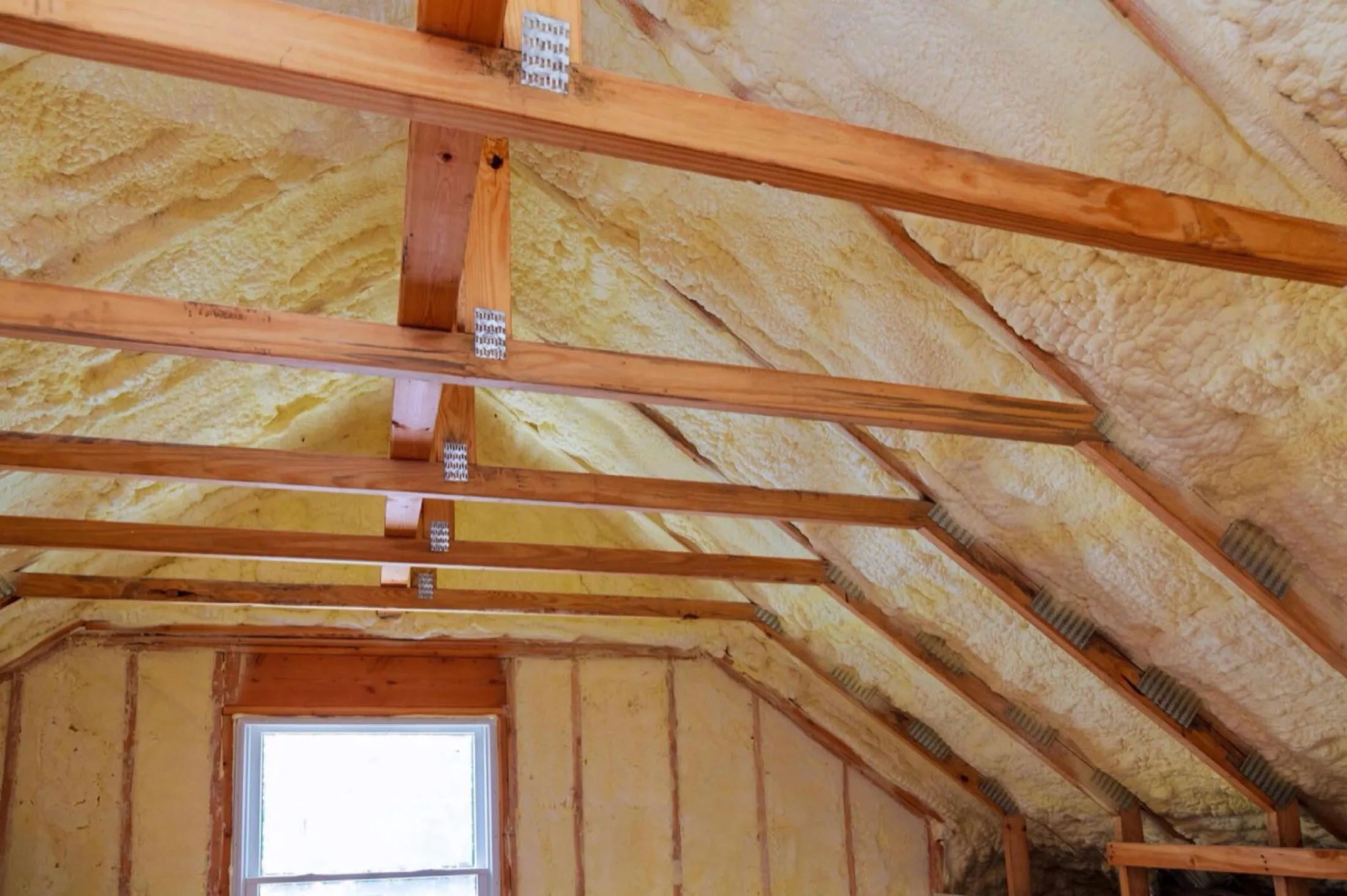
Blow-in insulation gives West Valley properties a practical way to add coverage across attic floors and other reachable cavities. Loose-fill fiberglass or cellulose is installed through a hose, allowing the material to settle around joists, wiring, bracing, ductwork, and awkward edges.
Lighthouse Solutions installs blown-in insulation for homes and commercial properties in Glendale, Peoria, Surprise, Sun City West, Litchfield Park, and El Mirage. Material choice and depth depend on the existing attic condition, ventilation, access, and project goals.
How Blown-In Insulation Works
A blowing machine loosens compressed insulation and moves it through a hose into the attic or cavity. The installer directs the flow in even layers until the planned coverage is reached, checking depth across the work area instead of relying on a single pile or corner.
Because the material is loose, it can fill around framing details that are hard to cut around cleanly. That makes it useful for attic floors with wiring, plumbing vents, truss webs, recessed areas, and tight eave conditions.
Where Blow-In Insulation Fits Best
Blown-in insulation is most common on open attic floors where depth and continuity matter more than a finished surface. It can also be used to top up older insulation that is still clean and dry but no longer provides enough coverage.
It is often a practical option for West Valley homes where the attic is accessible and the existing material does not need full removal. When contamination, moisture, or heavy disturbance is present, cleanup may need to come first.
R-Value, Depth, And Settling
Loose-fill insulation depends on installed depth and even distribution. Thin spots around eaves, access hatches, platforms, and duct runs can lower real-world performance, so the details matter as much as the average depth.
Some products settle over time, and attic movement from service work can disturb coverage. A good scope should explain the intended installed depth, any expected settling behavior, and the areas that need protection so ventilation and access remain usable.
Blow-In Insulation Versus Batts
Batt insulation comes in rolls or panels that must be fitted between framing members. In open, regular framing that can work well, but crowded attics leave many chances for gaps, compression, and uneven cuts around utilities.
Blown-in material does not need to be cut around every obstruction. It builds a continuous blanket across the attic floor, which can be a better fit when the space is irregular, busy with ductwork, or difficult to move through.
Blow-In Insulation Versus Spray Foam
Blow-in insulation adds thermal resistance, but it does not create an air seal by itself. If attic air leakage is a major issue, sealing penetrations and top plates may need to be part of the plan before new loose-fill material is added.
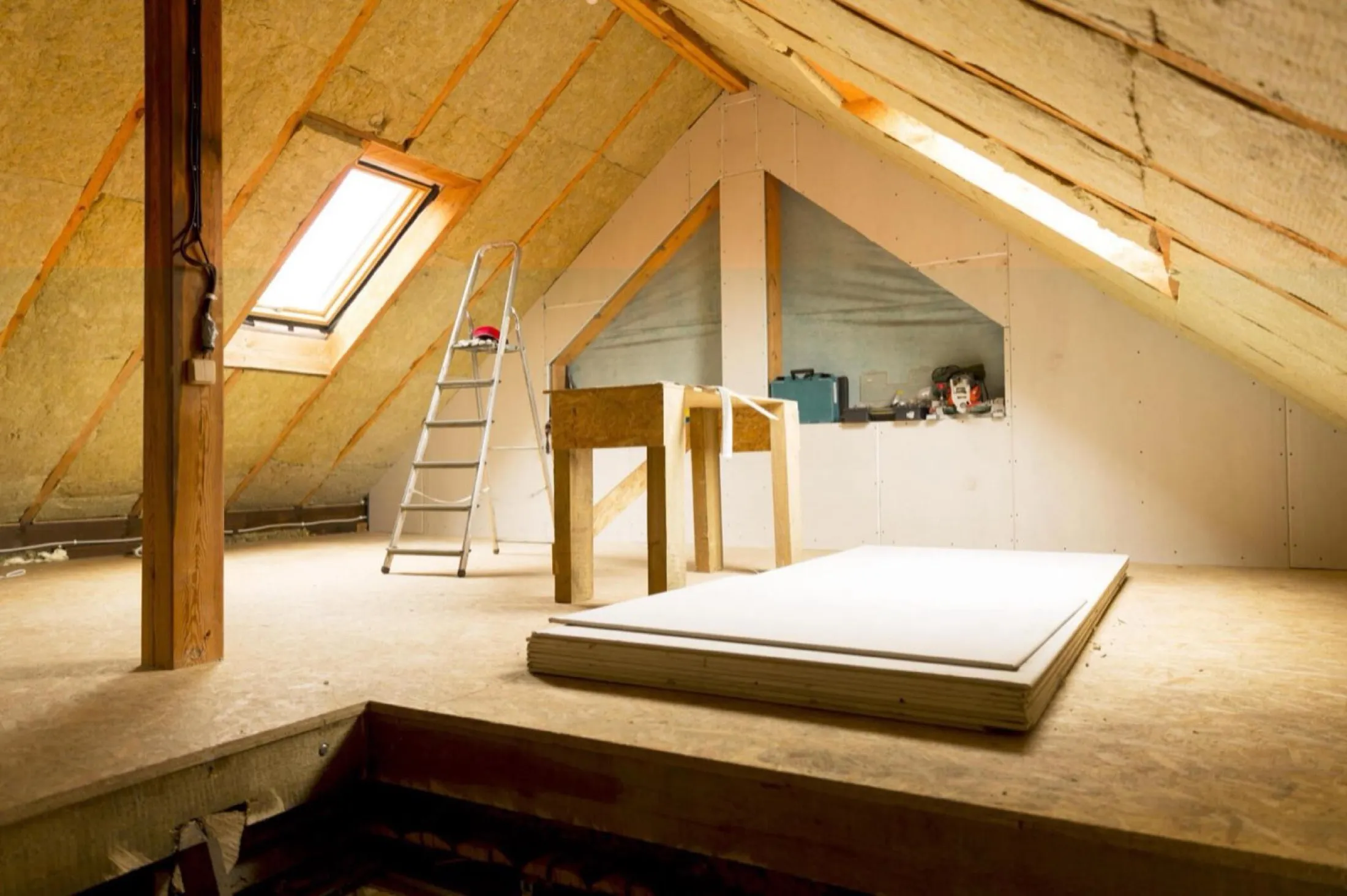
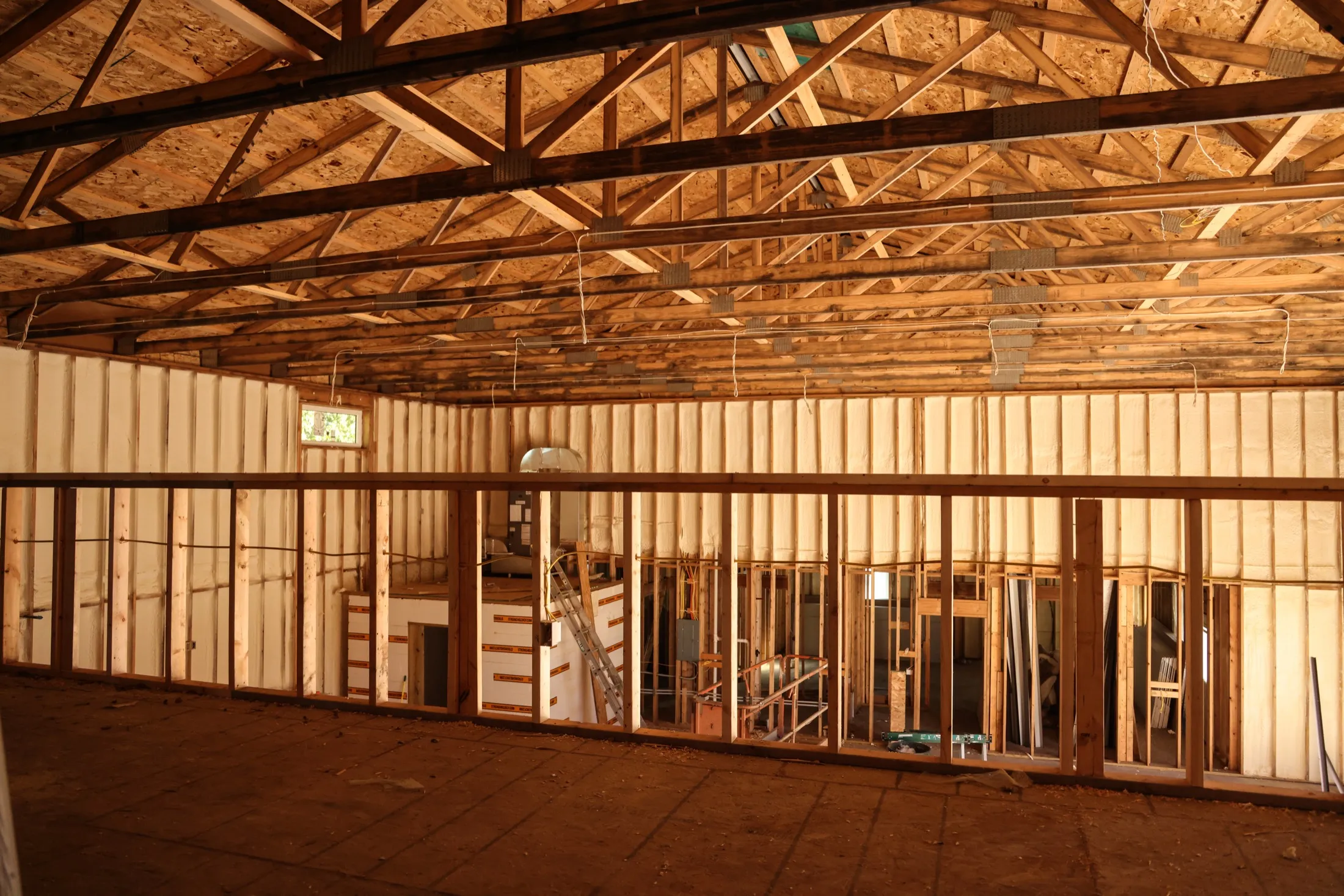
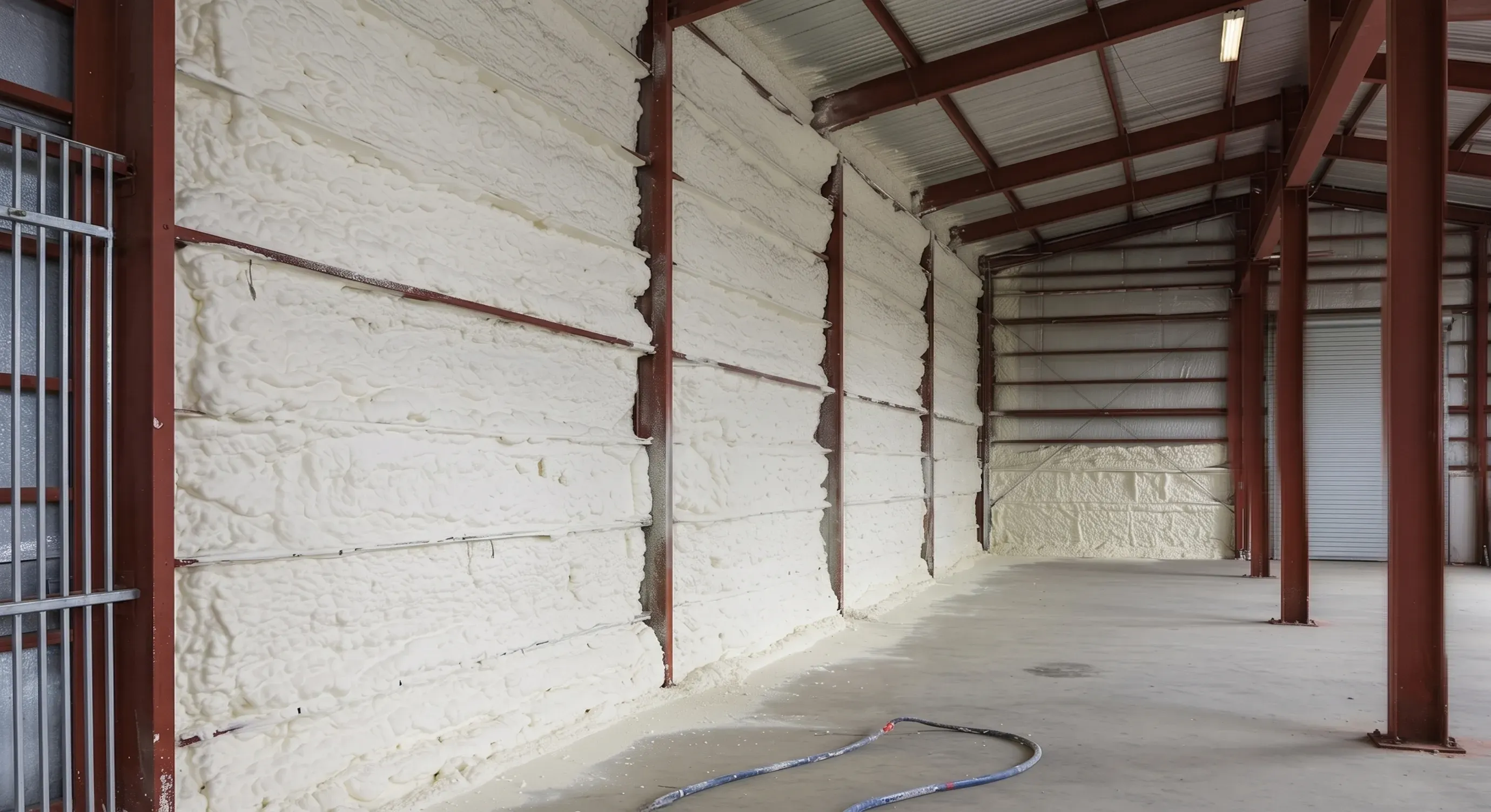
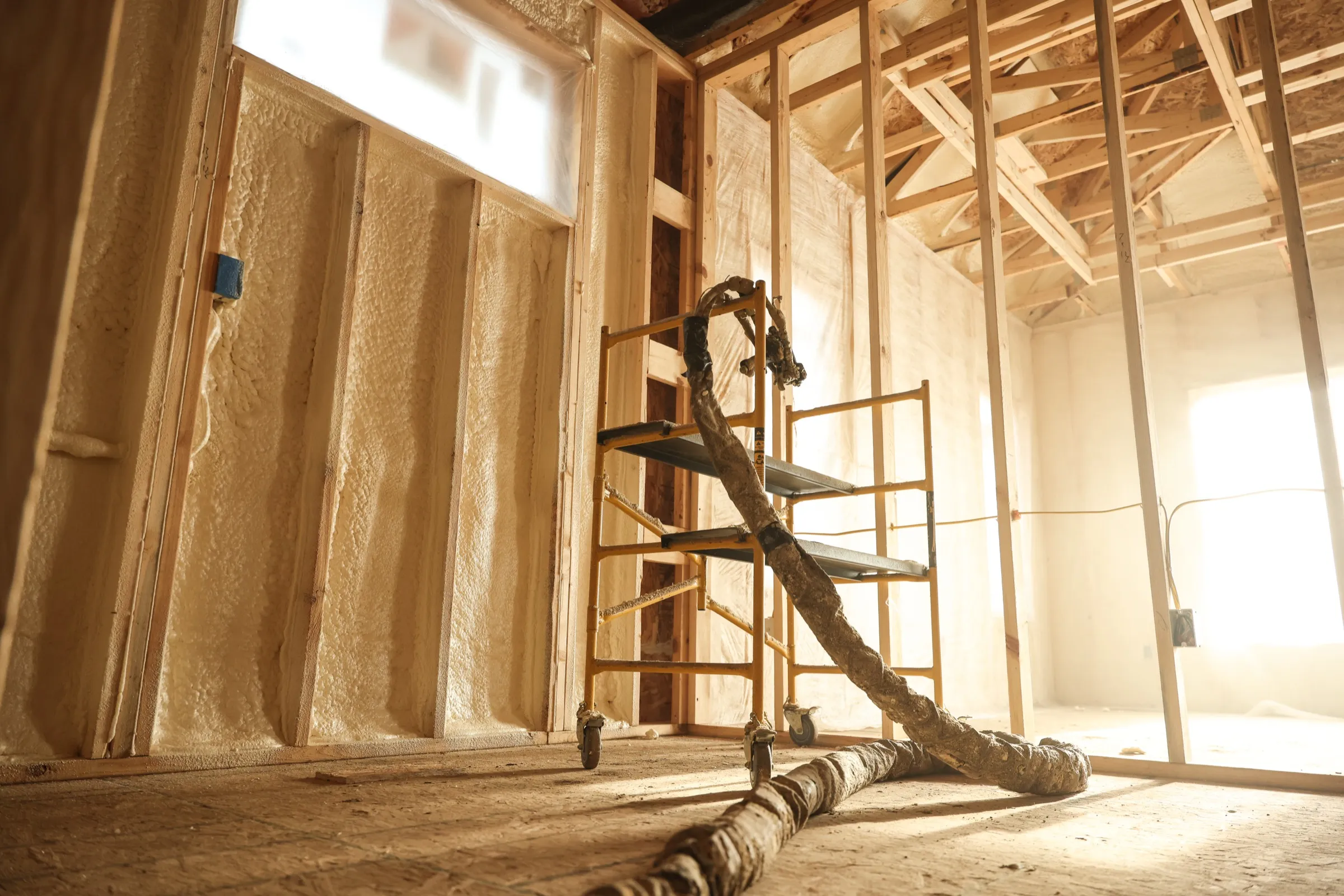
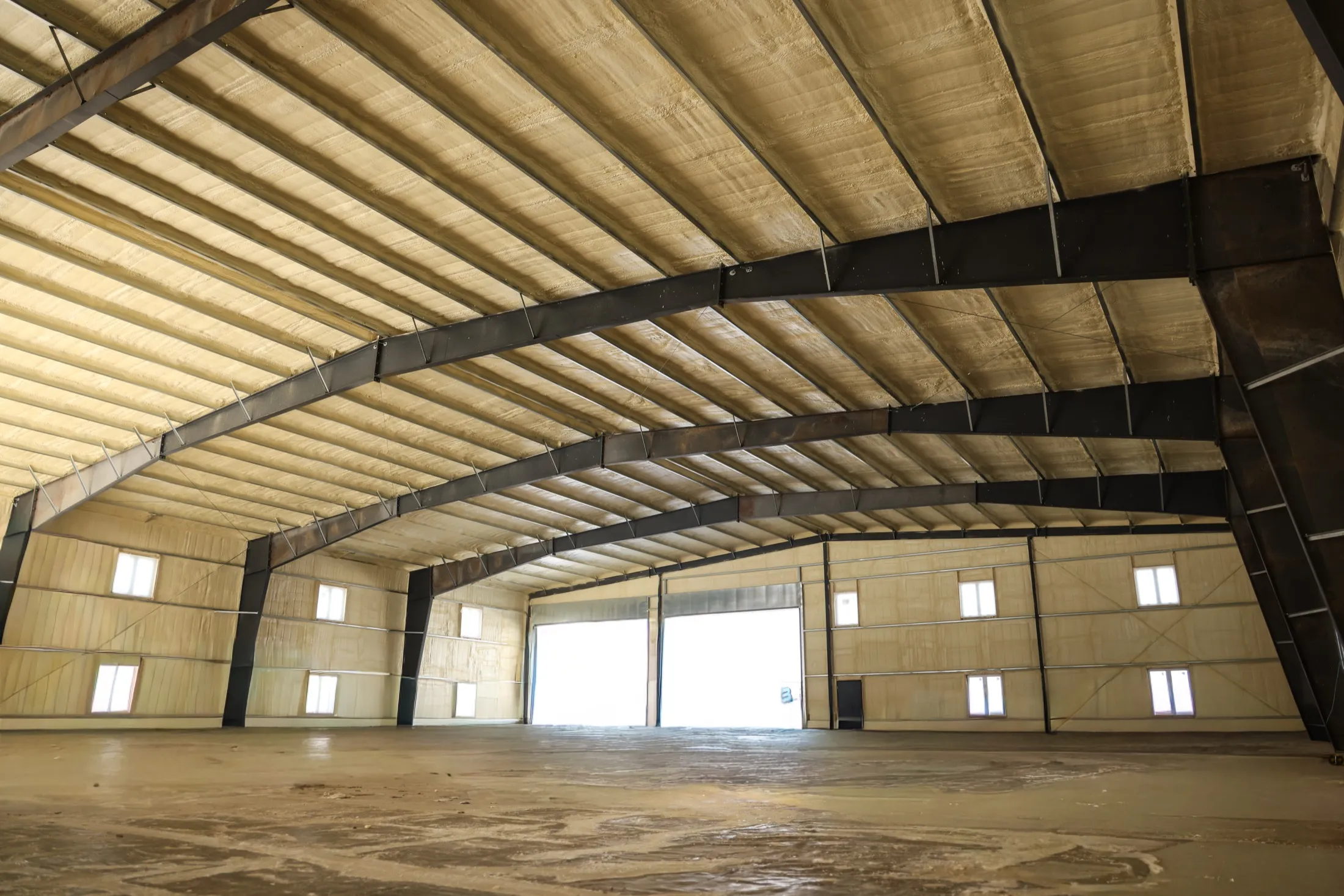
Spray foam can insulate and air-seal in one application, which makes it useful at rooflines, walls, metal buildings, and irregular cavities. Blow-in insulation is often a practical choice for attic top-ups when the goal is more coverage across an open floor.
What A Free Estimate Covers
A free estimate can include a look at current attic depth, material condition, access, ventilation, walk boards, duct locations, recessed fixtures, and whether air sealing or removal should be included before new material goes in.
You can also compare blown-in insulation with spray foam, batt insulation, radiant barrier work, or insulation removal. The right answer depends on what is already in place and what the property needs next.
Spray Foam in Action

Other Insulation Services
Want to Know What Your Project Would Cost?
Tell us about the property and we'll help you determine the next step.
Free Estimates • Glendale and West Valley Service Area