
Radiant Barriers in Arizona
Reflective radiant barriers that turn back the desert sun's radiant roof heat before it loads your attic.
Radiant barriers are designed for sun-loaded attics and roof assemblies where radiant heat is a major part of the problem. A reflective barrier installed with the right air space can reduce the radiant heat that reaches insulation, ducts, and ceiling areas below the roof.
Lighthouse Solutions installs radiant barrier systems for properties in Glendale, Peoria, Surprise, Sun City West, Litchfield Park, and El Mirage. A barrier is not a replacement for insulation, but it can be useful as one layer in an attic strategy.
How Radiant Heat Moves Through An Attic
Heat moves by conduction, convection, and radiation. Standard insulation mainly slows conductive and convective heat flow, while radiant heat travels from a hot surface across open space toward cooler surfaces nearby.
Under Arizona sun, the roof deck can become a strong radiant source. A properly placed reflective surface helps turn back part of that radiant load before it spreads across the attic floor, ductwork, stored items, and ceiling plane.
Where A Radiant Barrier Is Installed
In many existing attics, radiant barrier material is mounted under the rafters with the reflective face oriented toward the attic space. In other projects, radiant barrier sheathing or new-construction placement may be part of the roof assembly.
Placement matters because the barrier needs to face an air space. It can be a useful fit for attics with ducts or air handlers, garages with finished ceilings, shops, and metal buildings that receive long roof exposure.
Why The Reflective Surface Needs An Air Gap
A reflective surface needs open air in front of it to reflect radiant energy. If the material is pressed tightly against another surface or buried under insulation, heat can conduct through it and the reflective benefit is reduced.
Dust is also a practical issue in desert attics. A layout that keeps the working face pointed downward can help limit dust buildup on the reflective side, which is one reason rafter-mounted retrofits are commonly considered.
A Complement To Insulation, Not A Substitute
Radiant barriers and insulation solve different parts of attic heat control. The barrier addresses radiant heat from the roofline, while insulation slows heat transfer through the attic floor or building assembly.
A stronger attic plan may include air sealing, adequate insulation depth, duct awareness, and a radiant barrier where roof exposure makes it useful. The estimate should explain which layer matters most for your property.
What To Expect In Arizona Conditions
A correctly installed radiant barrier can help reduce the radiant load inside an attic on peak-sun days. The effect depends on roof color, orientation, ventilation, existing insulation, duct layout, shade, and how the attic is built.
Honest planning matters. A radiant barrier does not seal air leaks, add significant insulation depth, fix damaged ducts, or solve every cooling complaint. It works best when it is chosen for the right attic conditions.
What A Free Estimate Covers
A free estimate can review roofline access, rafter spacing, attic height, existing insulation, duct locations, ventilation, and whether a radiant barrier can be installed without blocking required airflow or service access.
You can also compare radiant barrier work with spray foam, blown-in insulation, batt insulation, or removal. The goal is to decide whether a reflective layer belongs in the plan and where it should sit.
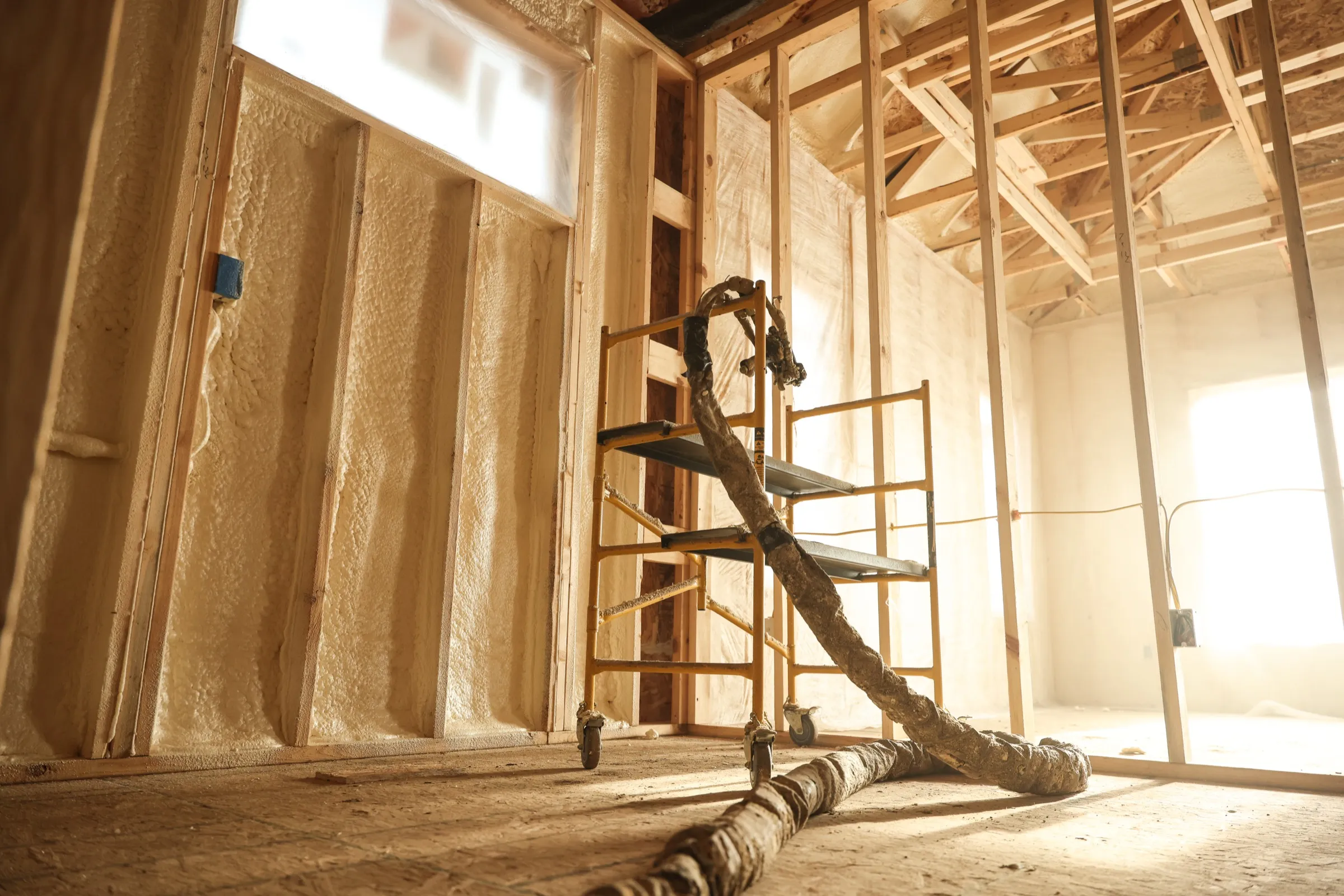
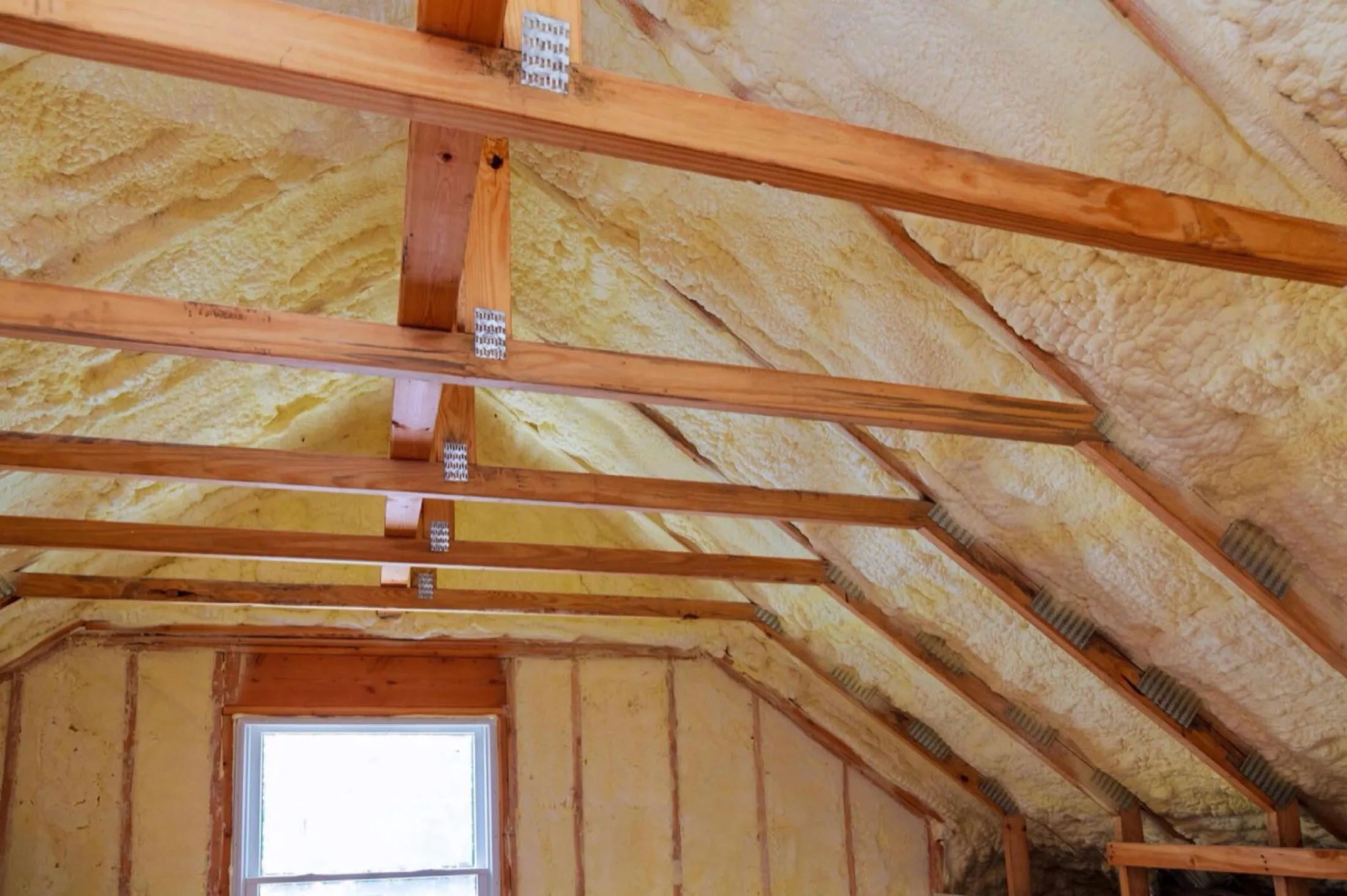
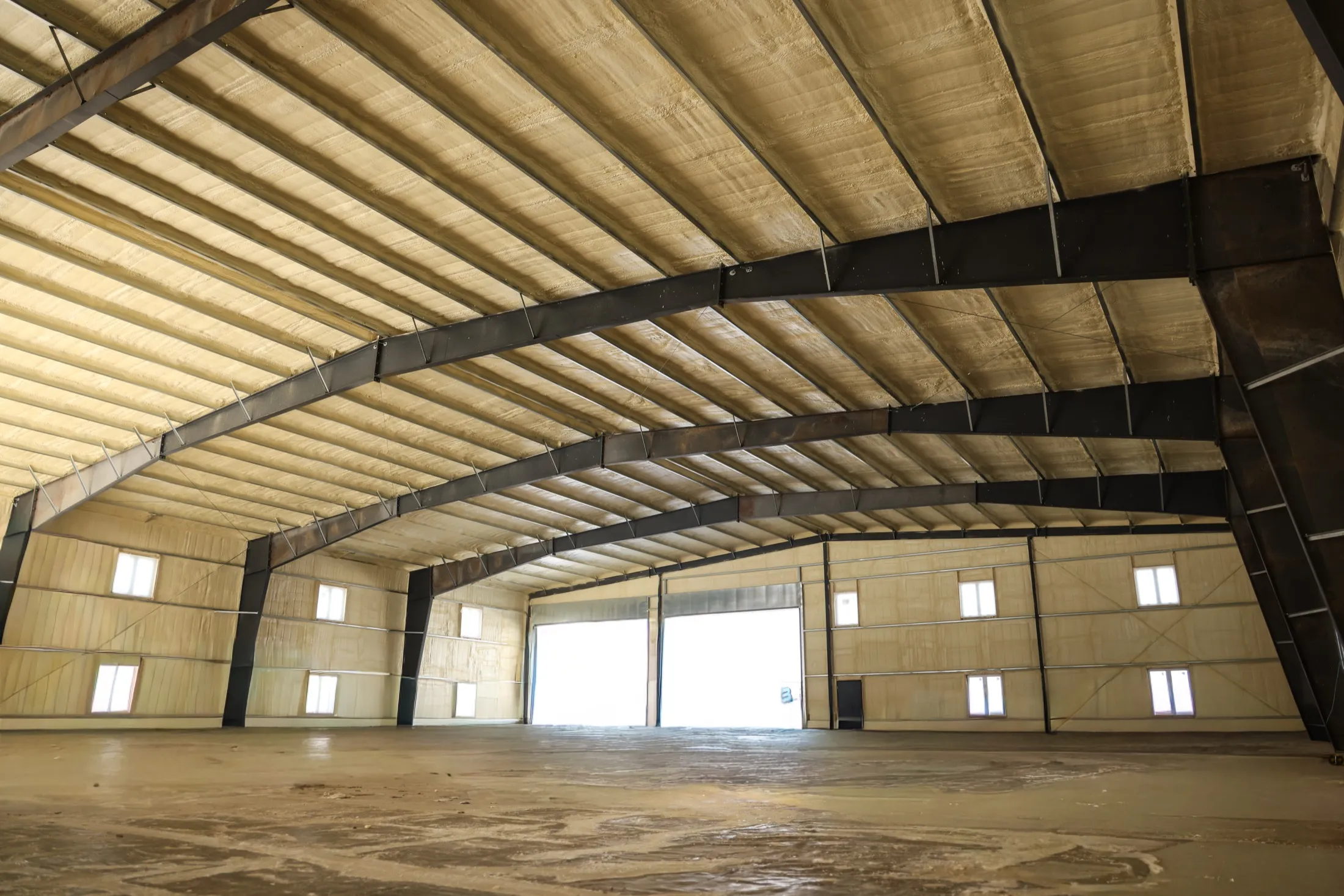
Spray Foam in Action
Other Insulation Services
Want to Know What Your Project Would Cost?
Tell us about the property and we'll help you determine the next step.
Free Estimates • Glendale and West Valley Service Area